How Often You Should Schedule Carpet Cleaning Services for Real Results
By Stacie Williams | September 21, 2026
Carpet cleaning is a crucial aspect of home maintenance that significantly influences both the health and aesthetics of living spaces. Regular cleaning not only extends the life of a carpet but also improves indoor air quality by removing pollutants. This article explores the recommended frequency for scheduling carpet cleaning services, tailored to your specific carpet and household needs. By understanding these factors, you can ensure that your carpets remain vibrant and healthy-looking. Dive into the detailed guide to learn everything you need to know about maintaining clean carpets.
Understanding Carpet Types and Their Cleaning Needs
Carpet fibers vary widely, each with its specific characteristics that influence cleaning requirements. Wool carpets, prized for their luxurious feel, absorb dirt easily and may require more frequent professional cleaning to preserve their quality. Nylon carpets, known for their durability, resist stains better but still benefit from regular maintenance to prevent wear. Polyester carpets, though less expensive, are prone to oil stains, necessitating frequent deep cleans. Understanding these fiber types helps in determining an appropriate cleaning schedule that maintains the carpet's integrity and appearance.
The construction and texture of a carpet are also pivotal in determining how often it should be cleaned. Loop pile carpets, for example, tend to trap dirt more effectively than cut pile carpets, requiring more frequent attention. Similarly, textured carpets may hide stains and dirt better, leading some homeowners to underestimate their cleaning needs. By considering the texture and construction, you can avoid common pitfalls and ensure an efficient cleaning routine. A correct understanding of your carpet's build can prevent long-term damage and discoloration.
Color and pattern play a subtle yet critical role in your carpet cleaning strategy. Dark-colored carpets can conceal stains and wear, whereas light colors may highlight dirt, necessitating more frequent cleanings. Intricate patterns might camouflage dirt better, but they could make it more challenging to spot specific stains. Following the manufacturer's recommendations ensures that you are adhering to the best practices for care that align with the carpet's material. This approach can prevent warranty voidance and ensure long-lasting carpet quality.
Considering Traffic Patterns and Their Impact on Cleaning Frequency
High-traffic areas, such as entrances and corridors, accumulate dirt more quickly and require more frequent cleaning. Identifying these areas is essential to maintain a uniform appearance throughout your home. Simple steps, such as using a protective mat or rotating furniture, can mitigate wear and reduce the need for deep cleaning. Regular vacuuming is crucial in these high-traffic zones to remove surface dirt and prevent it from becoming embedded. Analyzing traffic patterns is a proactive approach to carpet maintenance.
Residential and commercial settings display distinct differences in traffic density and, therefore, in cleaning requirements. Homes generally experience varied traffic levels, largely dictated by the number of occupants, pets, and visitors. Conversely, commercial spaces are subject to constant use, demanding more frequent professional cleanings to maintain hygienic conditions. Tailoring your cleaning schedule to reflect these differences is vital in both settings to preserve carpet longevity. For homes, professional cleaning intervals might be quarterly, whereas commercial spaces may necessitate monthly attention.
Pets and children, delightful yet messy, undeniably increase the need for more frequent carpet cleaning. Pets contribute hair and dander, while children often introduce spills and stains into the mix. This combination may demand additional professional intervention to maintain cleanliness and health standards. Seasonal changes compound these effects, as different weather conditions introduce new cleaning challenges, such as mud and pollen. Managing these factors proactively can ensure a clean and healthy living environment all year round.
Understanding the Role of Professional Carpet Cleaning Methods
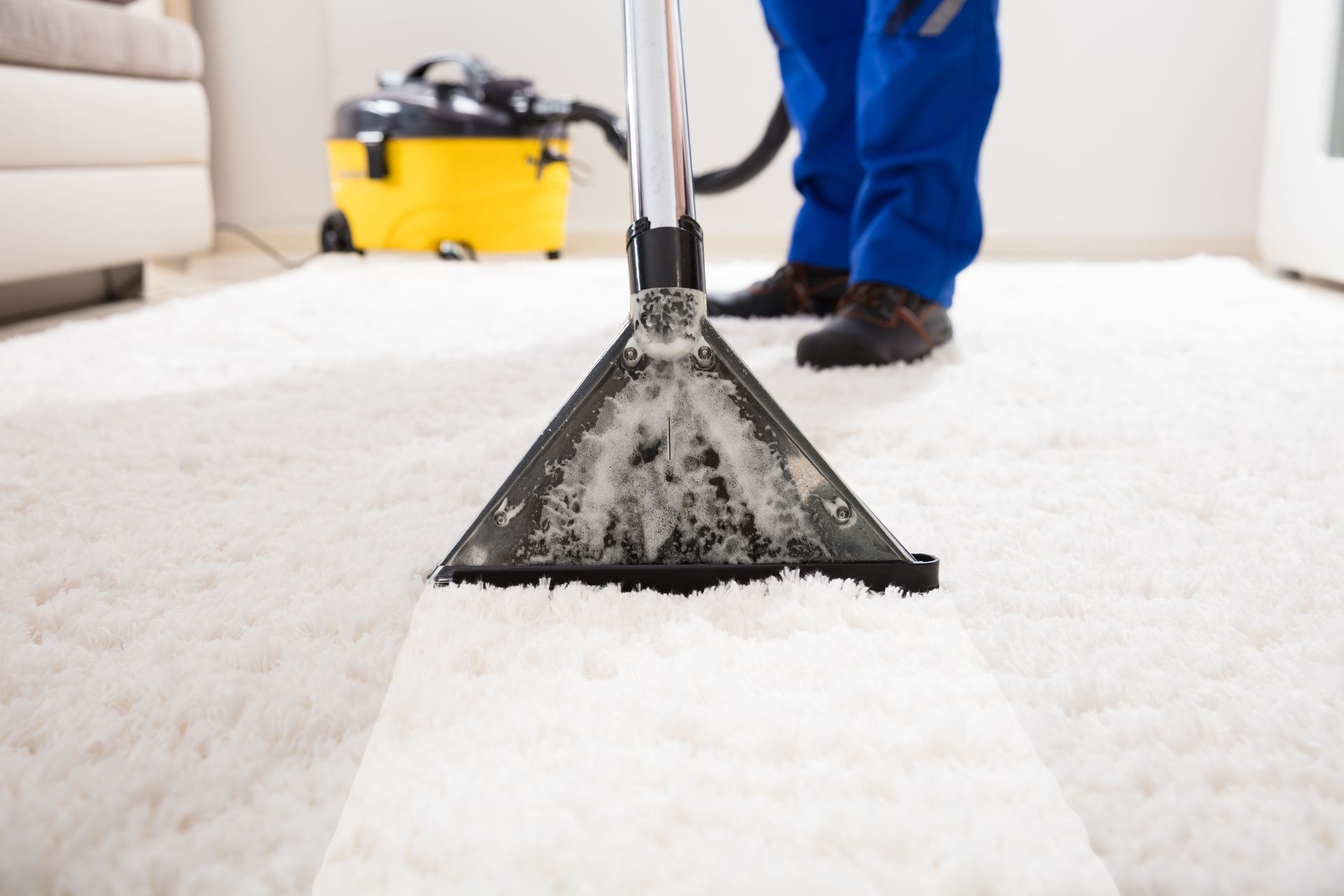
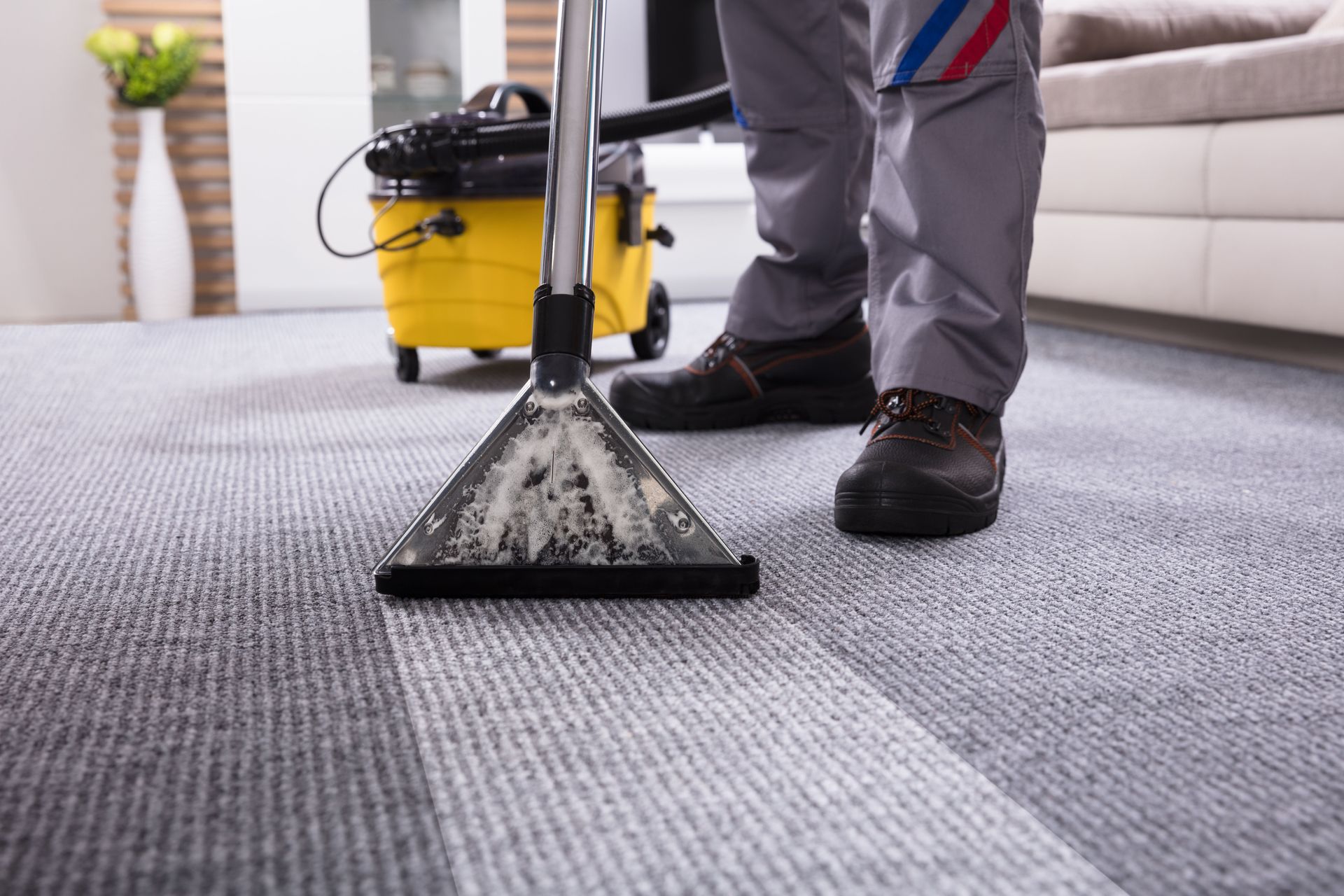
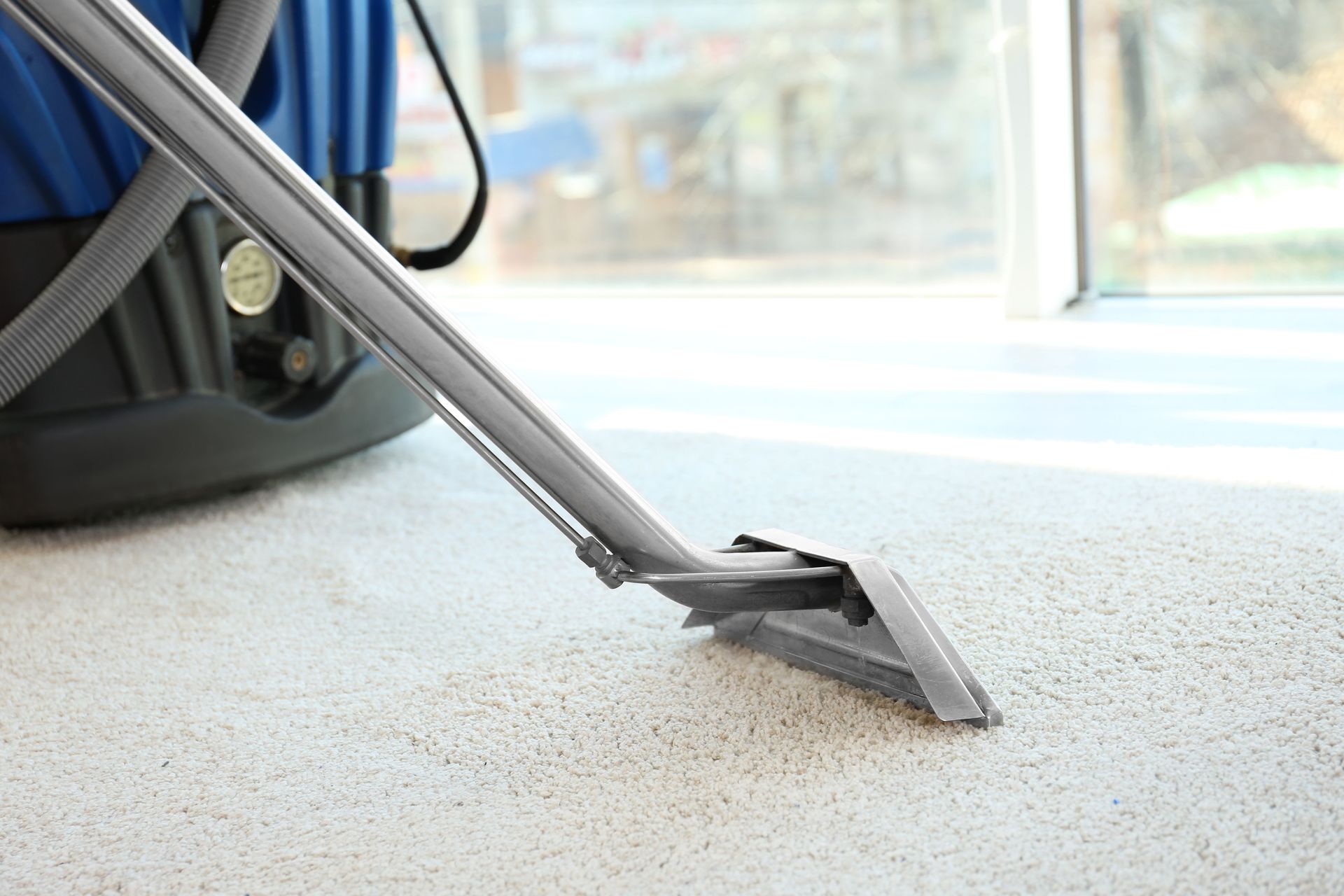
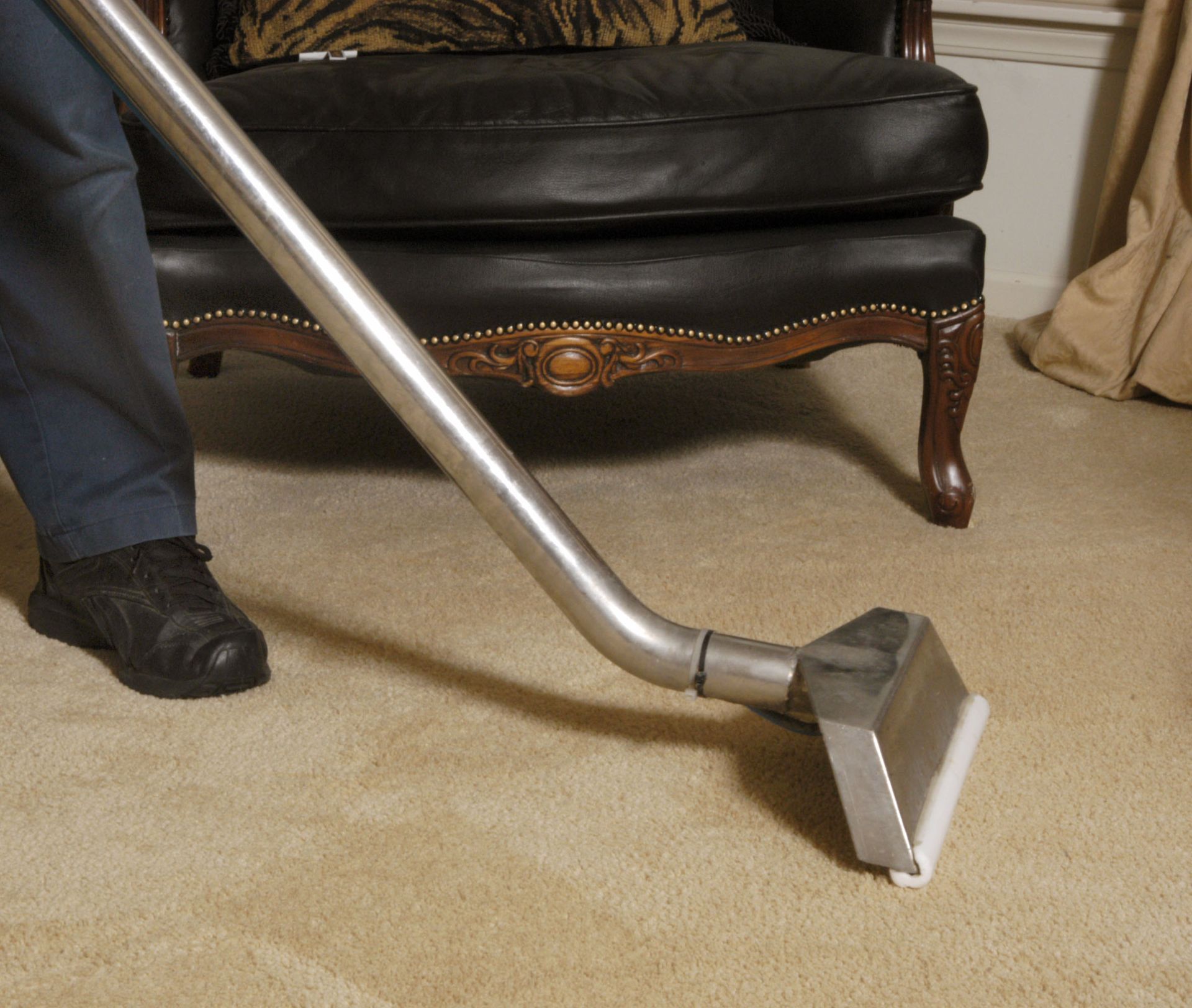
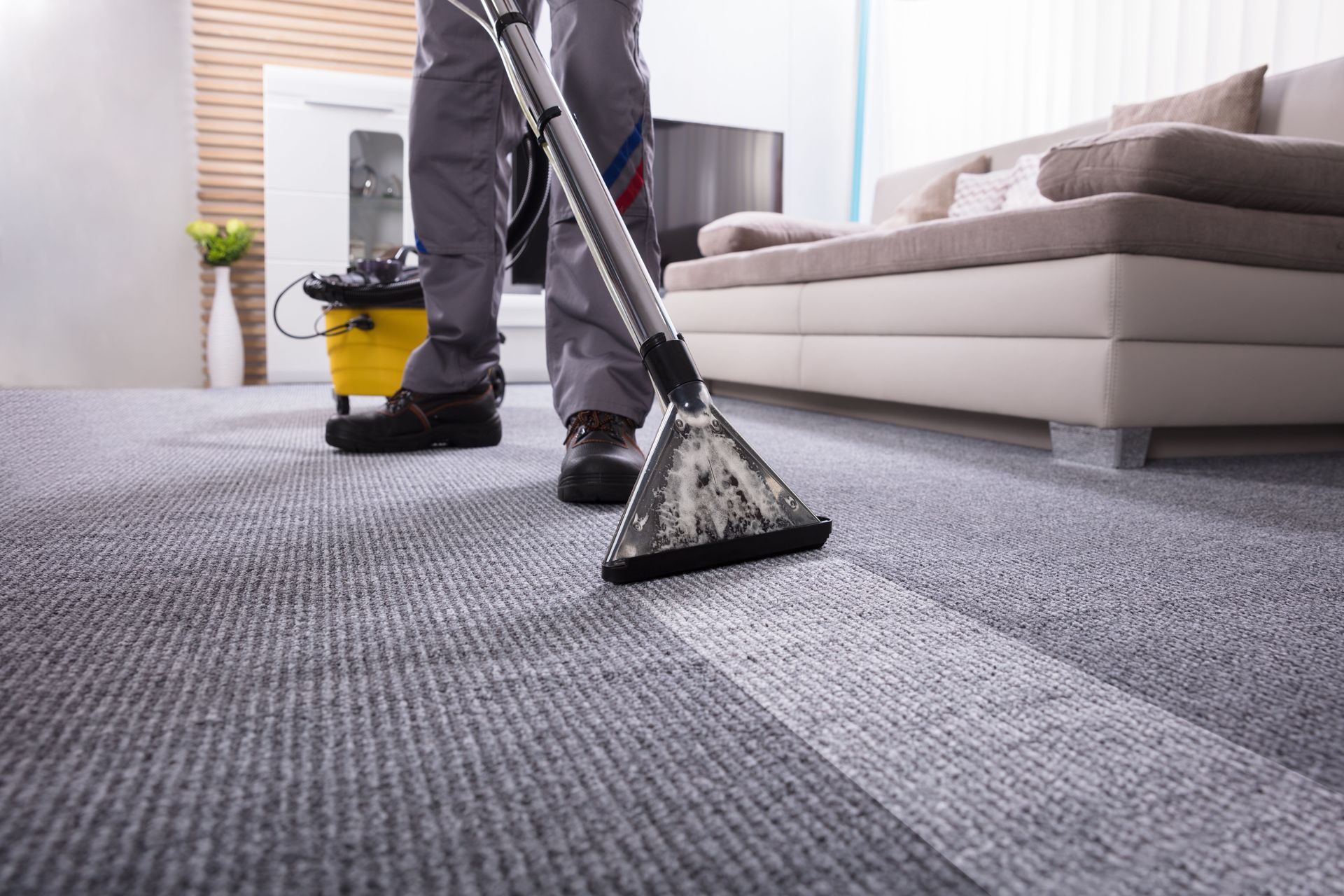
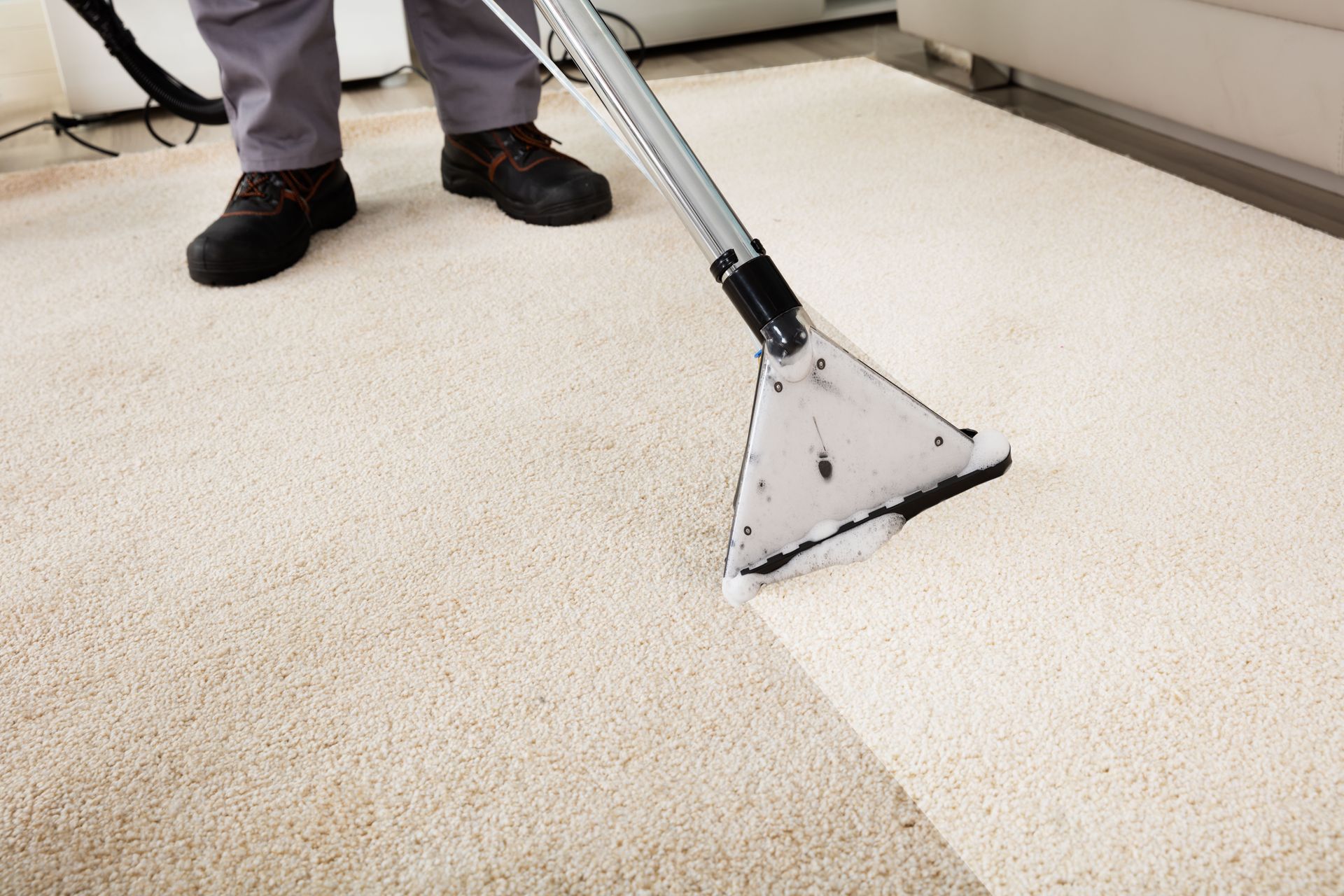
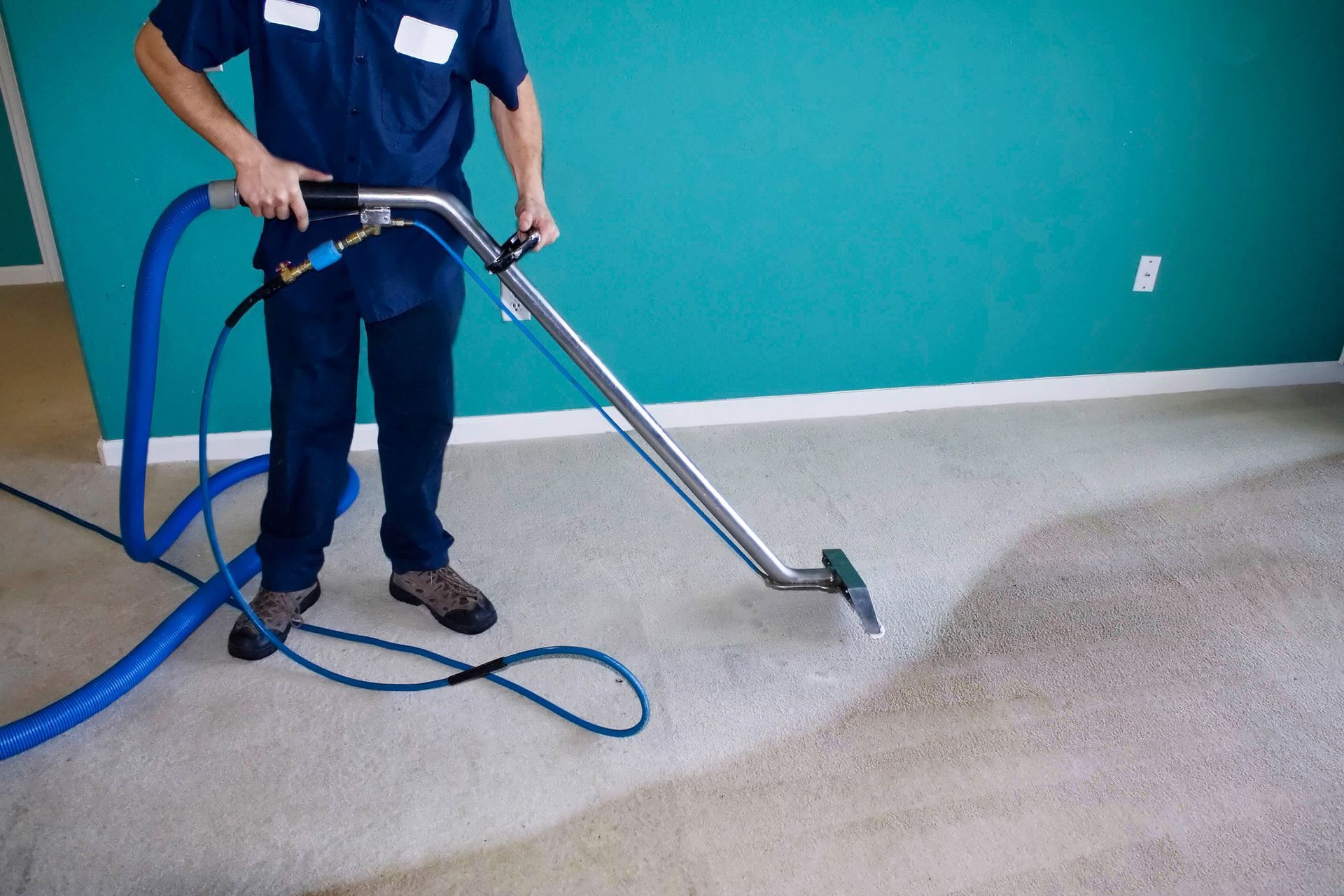
Professional carpet cleaning methods, such as hot water extraction, also known as steam cleaning, are vital for deep cleaning carpets. According to Grand View Research, this technique effectively removes about 98% of visible dirt and pollutants, significantly reducing dust and allergens. Most experts recommend scheduling steam cleaning every six to 12 months, depending on carpet usage and type. This method is particularly beneficial for households with allergies, as it cleans deeply into the carpet fibers without leaving excessive moisture behind. Steam cleaning is a cornerstone technique that supports a clean, healthy home environment.
Dry carpet cleaning methods, including encapsulation, powder, and dry foam cleaning, offer alternatives that circumvent the prolonged drying times of steam cleaning. Encapsulation involves applying a chemical solution that crystalizes dirt, making it easy to vacuum away. These methods are advantageous for both commercial and residential settings where downtime must be minimized. They may require more frequent applications—perhaps every three to six months—to prevent dirt build-up but allow for immediate use of cleaned areas. The diversity of dry cleaning options allows for flexibility tailored to specific needs.
Bonnet cleaning is another professional technique that targets surface dirt and maintains the carpet's appearance through regular use. This method is beneficial for keeping high-traffic areas fresh between major cleanings. It involves a rotating pad soaked in a cleaning solution, which absorbs dirt from the carpet surface. Although not a substitute for deep cleaning, bonnet cleaning is a practical interim solution for maintaining carpet health. Scheduled monthly or bi-monthly, it complements more rigorous cleaning methods for comprehensive carpet care.
Considering DIY vs Professional Carpet Cleaning
Considering DIY carpet cleaning can be tempting due to the potential cost savings compared to hiring professionals. Initial investments in rented equipment and cleaning products can be lower, but these costs can accumulate over time. Without professional-grade tools, achieving the same level of cleanliness may be challenging. Additionally, frequent rental and replacement of supplies can add up. Comparing long-term costs and effectiveness often reveals that professional services provide better value, particularly for extensive or high-traffic areas.
The effectiveness of DIY carpet cleaning is often limited by the equipment available for consumer use. Most household machines lack the power to extract deep-seated dirt and allergens effectively. They may offer a temporary surface clean but do not reach the hidden layers where most contaminants reside. This limitation means more frequent cleanings and can sometimes lead to over-saturation, causing further problems such as mold or mildew. Professional machines, on the other hand, ensure a deeper clean, contributing significantly to improved indoor air quality.
Time efficiency is another consideration when deciding between DIY and professional cleaning services. DIY cleaning can be labor-intensive and time-consuming, often requiring multiple passes to achieve a satisfactory level of cleanliness. Professionals, trained to handle complex situations, can complete the task more efficiently and effectively. Therefore, time savings, alongside the superior results of professional services, make them an appealing choice for many busy households. Balancing cost considerations against these benefits is key to determining the most suitable option for your needs.
Identifying Signs That Your Carpet Needs Cleaning
Odor and air quality are key indicators that your carpet needs cleaning. Unpleasant smells often stem from accumulated dirt, spills, or pet accidents, which can indicate bacteria or mold. Odor issues can worsen air quality, leading to health concerns, especially for those with respiratory conditions. Regularly addressing these odors with professional cleaning can effectively reduce pollutants in the air, thereby enhancing a home's overall atmosphere. Scheduled cleaning can substantially impact residents' well-being by maintaining fresh air and a clean environment.
Visible stains and discoloration are overt signs that your carpet might require immediate attention. Accumulated dirt and spills that are not promptly addressed can become permanent, impacting the visual appeal. Professional cleaning can remove most visible dirt and embedded pollutants, restoring the carpet's original luster. Maintaining a cleaning routine helps avoid the complication of stubborn stains that require intensive treatment. Early intervention can prevent extensive damage and preserve the carpet's aesthetic and functional longevity.
Scheduling carpet cleaning services effectively requires careful consideration of carpet type, household dynamics, and specific environmental factors. Understanding these key aspects helps tailor a plan that meets individual needs, ensuring carpets remain in excellent condition. Consistent professional cleaning contributes to improved air quality, enhanced home aesthetics, and a healthier living environment. Emphasizing a customized approach allows homeowners to optimize their carpet cleaning routines efficiently. If you're looking for dependable carpet cleaning services, contact Chem-Dry of Ingham, Eaton & Clinton Counties today.

Share On: